The Hidden Traps in NAPLAN Time Based Questions
A breakdown of the subtle question patterns that cause capable students to lose marks.
Does this sound like your child?
Leo — The Digital Native
Reads the time instantly on his iPad or microwave. But hand him an analog clock and he hesitates.
Sam — The Calculator
Brilliant with addition.
But adding minutes across an hour? Suddenly confusing.
It’s not that they don’t understand time.
It’s that time is tested differently.
The Logic Gap in Action
In the classroom, time questions are about recognition. In NAPLAN, they’re about reasoning.
Classroom version:
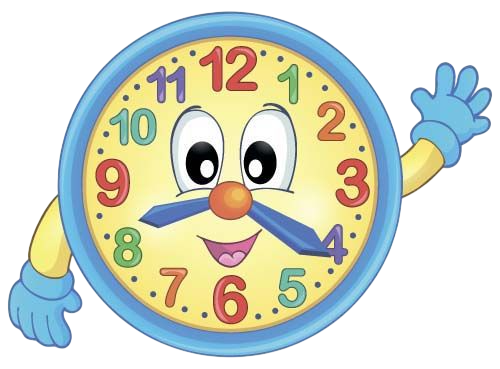
Look at this clock.
What time is it?
The NAPLAN version:
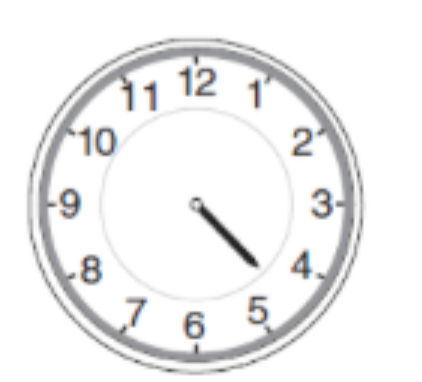
The minute hand is missing. What time could this clock be showing?
At home:
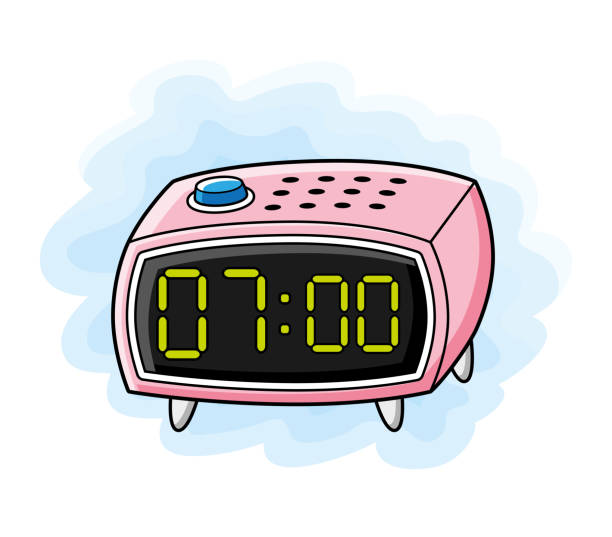
Look at this clock.
What time is it?
The NAPLAN question requires:
- Deduction
- Interpreting partial information
- Eliminating distractors
That’s not just telling time.
That’s structured reasoning.
Understand Types of Time Questions
- “Deduction Trap” (Missing Information): The minute hand is missing. The hour hand is halfway between 4 and 5. What time is it?
- “Spatial” Trap (Visual Twists): Emma put her watch on upside down. She saw the hands pointing at 12 and 6. What time was it really?
- “Elapsed Time” Trap: The DVD shows 01:43. The movie has 53 minutes left. What time will it end?
- “Geometric” Trap (Angles & Degrees): The clock shows 5 o’clock. What is the size of the smaller angle between the hands?
This is where capable students lose marks.
Not because they can’t tell time — But because they’re not used to thinking about time this way.
Find out how your child performs in assessments and get personalized feedback with this free quiz: